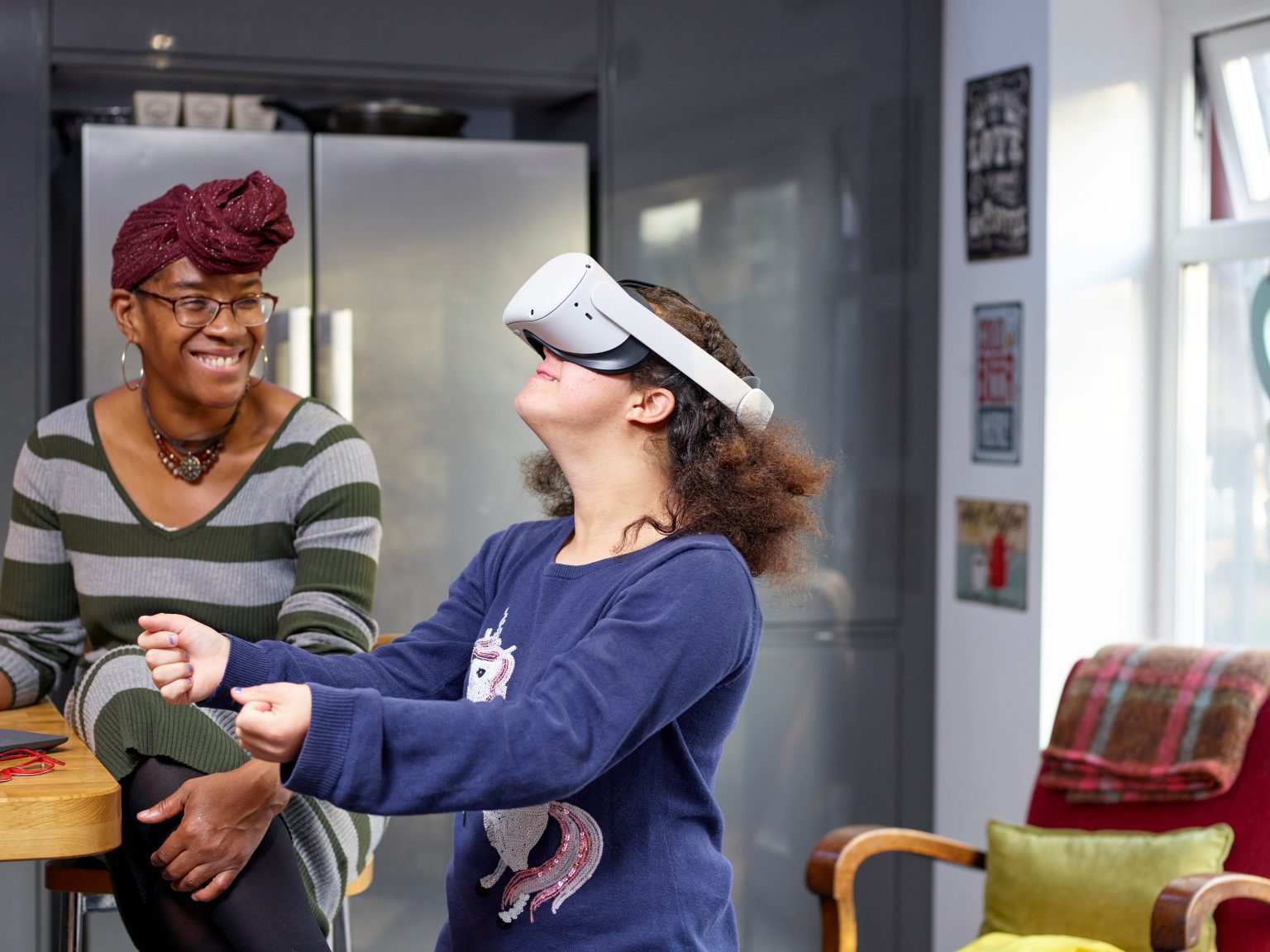
Technology Should Make Support More Responsive And Accountable.
Digital systems can strengthen information flow, recording, oversight and learning when they serve the person and the team rather than adding disconnected administration.
Moreways Healthcare brings skilled people, clear evidence and dependable support together around adults with mental health needs, autism, learning disabilities and complex histories.


Moreways Healthcare supports adults with mental health needs, learning disabilities, autism and complex histories to live with greater choice, stability and connection. Every arrangement starts with the person, the evidence and the life they want to build.
Support should make ordinary life more possible: a safer home, a steadier week, trusted relationships, meaningful activity and the confidence to take the next step.
Scroll through the service families or choose one directly. The arrangement changes as the person’s needs, preferences, environment, risk, funding and desired outcomes come into focus.
Supported living separates the person’s home from their support. Provision can range from planned individual input to intensive, round-the-clock availability, according to assessment and commissioning.
Support is configured around assessed needs and real routines. Availability does not automatically mean continuous observation, and greater independence does not mean withdrawing help before it is safe or sustainable.
Structured provision for people who require dependable support across day, evening and overnight periods.
02 — Structured Step-DownSupport designed around risk formulation, legal conditions, relapse prevention, multi-agency working and community reintegration.
03 — Enhanced CapabilityA strengthened model where complexity, behaviour, health or transition requires enhanced competence and oversight.
04 — Life Beyond The PlacementPractical support to rebuild ordinary routines, relationships, confidence, meaningful activity and community connection.
Complex and enduring mental health needs can fluctuate. Support connects daily routines, treatment arrangements, early warning signs, crisis planning and the person’s own goals without reducing life to symptoms.
What Changes In PracticeThe approach must remain visible in ordinary practice: what staff do, how decisions are made, how risk is understood and whether support is helping the person live the life they choose.
Outcomes, communication, health, routines, relationships, risk and responsibilities translated into usable support.
02Prevention and quality of life before crisis response, with restrictive practice kept necessary, proportionate and reviewed.
03Clear co-ordination across the person, family, commissioner, clinicians, housing and other relevant partners.
04Learning from feedback, incidents, safeguarding, audits, outcomes and the person’s experience of support.
Clarify the person’s priorities, present situation and the type of arrangement being considered. A useful first conversation identifies the decision that actually needs to be made.
Output: A Clear Referral QuestionDigital systems can strengthen information flow, recording, oversight and learning when they serve the person and the team rather than adding disconnected administration.
We work with people, families, local authorities, NHS teams and professional partners to explore suitability and build achievable support arrangements.
Answer two short questions before continuing to the referral area. This initial enquiry does not itself constitute a formal referral or guarantee that a service can be offered.
This is an initial enquiry rather than a formal referral. Our team will review the available information and may request assessment, risk, clinical, funding and transition documents before advising on suitability.