Independent Living Support

More control in everyday life.Skills that remain useful.

Independent living support helps adults develop, practise and sustain the skills and routines involved in living with greater autonomy. Independence does not mean doing everything without help; it means having as much choice, control and participation as possible, with support available where it remains necessary.

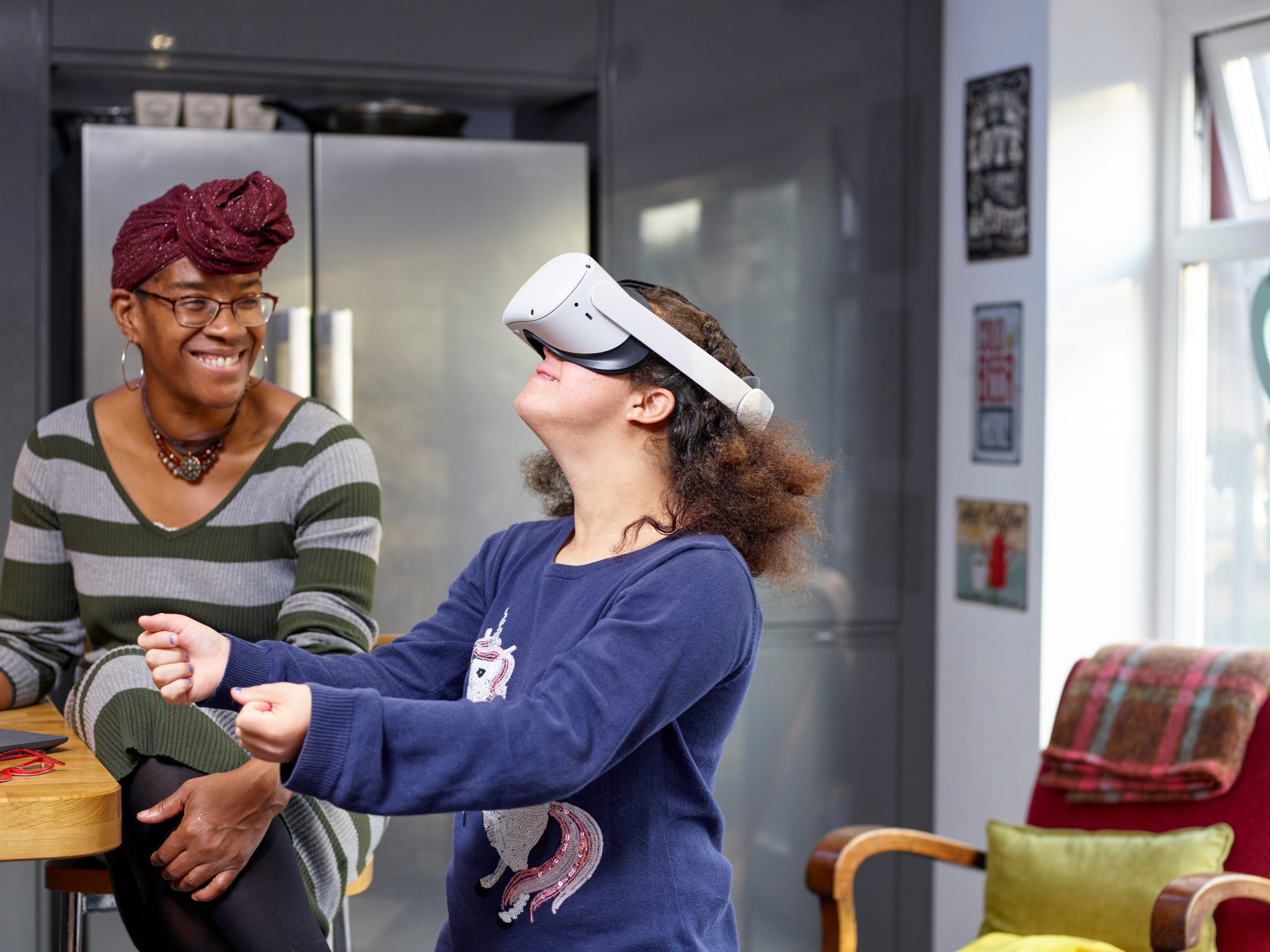
A person exploring technology with support

Capability In MotionExplain. Practise. Step back. Review.

Beyond A Checklist

Independence is personal and decision-specific.

The starting point is how life works now: the person’s strengths, communication, living environment, current support, practical barriers and priorities. Scroll through the four design principles.

01

Start With Strengths

Recognise what already works.

Existing skills, routines, interests, relationships and successful strategies provide the foundation. Support should add useful capability rather than replace what the person can already do.


02

Understand The Barrier

Identify what makes the task difficult.

Communication, memory, anxiety, sensory needs, unfamiliar environments, inaccessible information or previous experience may affect participation. The response should match the actual barrier.

03

Support The Decision

Make options usable before judging ability.

Information, time, communication support and a familiar setting can help a person make their own decision. Capacity is considered for the particular decision, not treated as a permanent label.

04

Plan For Change

Keep a route for review, setbacks and new goals.

Progress is not perfectly linear. A sustainable plan explains what helps, what may signal difficulty and how support can adjust without discarding previous learning.

The Practice Studio

One task. Four stages of real learning.

The live panel changes as you scroll or select its indicators. It shows how a practical goal can move from explanation to a routine the person can sustain.

A person working through practical information with support

Real-Life LearningPractice happens where the skill needs to work.
01 — Understand

See the whole task and the person’s starting point.

Explore what the person already knows, how they prefer information to be presented and which part of the activity creates difficulty.

Strengths FirstExisting capability remains visible.
Specific BarrierThe plan addresses the real obstacle rather than an assumption.
02 — Make It Usable

Break complexity into a sequence that makes sense.

Demonstration, pictures, written steps, reminders, technology or another communication method can make the task easier to understand and repeat.

Accessible SequenceThe person can see what happens now and next.
Right Amount Of HelpPrompts support action without becoming automatic control.
03 — Practise

Create genuine opportunities to take the lead.

The person completes as much of the activity as possible while staff observe, encourage and respond consistently when support is requested or required.

Real SettingLearning transfers beyond a classroom-style exercise.
Positive Risk-TakingOpportunity is balanced with proportionate safeguards.
04 — Sustain

Build a routine that survives ordinary change.

The person knows how to recognise difficulty, use helpful systems and seek assistance. Review determines whether support can step back or should change.

MaintenanceThe skill remains usable between contacts.
Responsive ReviewChanging evidence changes the plan.
A Capability Dashboard

Progress lives across several parts of life.

This replaces the old orbit diagram with a responsive bento workspace. Each area is related, but none should obscure the person’s own priorities.

01 — Personal Direction

Choice, communication and knowing how to ask for help.

Independence includes expressing preferences, understanding options and having a reliable route to support when circumstances change.

02 — Daily Systems

Routines that fit real life.

Food, household organisation, correspondence and appointments can be supported through usable prompts and repeated practice.

03 — Health And Safety

Recognise, respond and review.

The person can practise following agreed plans, noticing concerns and using the correct route for help.

04 — Community Life

Travel, relationships, local services and meaningful activity.

Skills become useful when they work beyond the front door. Support may include graded journeys, appointments, interests, volunteering, learning or maintaining trusted connections.

A Week That Builds Confidence

Small opportunities can connect into lasting change.

Select a day or scroll through the section. This is an illustrative rhythm rather than a prescribed timetable; each plan is individual.

Monday — Planning

Turn priorities into an understandable week.

Appointments, household needs and personal goals are organised with the person using a format they can revisit.

Person LeadsChoose priorities and preferred timing.
Support AddsClarification, prompts and practical structure.
Tuesday — Community

Practise a familiar route with less direct prompting.

The person takes more responsibility for preparation, timing and communication while the agreed support remains available.

Person LeadsPrepare and follow the route.
Support AddsObservation and help at agreed points.
Wednesday — Home

Build a household routine that can be repeated.

A practical task is broken into usable stages and completed in the real environment where the routine needs to continue.

Person LeadsComplete familiar steps and make choices.
Support AddsDemonstration or prompts only where needed.
Thursday — Decisions

Use accessible information to compare options.

Time, communication and relevant information support the person to understand consequences and express their choice.

Person LeadsAsk questions and communicate preference.
Support AddsAccessible explanation without directing the outcome.
Friday — Review

Use experience to decide what happens next.

The person and staff identify what worked, what remained difficult and whether a prompt, tool or level of input should change.

Person LeadsDescribe the experience and desired next step.
Support AddsEvidence, reflection and coordinated follow-up.
Evidence Of Development

Measure capability, not compliance.

Useful evidence describes participation, understanding, confidence and what helped—not merely whether a task was completed while staff were present.

01

Participation

How much of the task did the person choose, initiate or complete? What kind of support enabled this?

02

Understanding

Could the person use the information, sequence or prompt beyond the immediate contact?

03

Generalisation

Did the skill transfer to another day, setting or situation, and what changed when it did not?

04

Knowing How To Seek Help

Greater independence includes recognising when assistance is needed and using an agreed route to obtain it.

Questions About Independent Living

Choose a question. Read one clear answer.


01

Does Independent Living Mean No Support?

No. A person can live independently while receiving substantial assistance. The focus is on maximising choice, control and participation, not proving that help is unnecessary.

The Next Step

Design support that leaves more capability behind.

Share the current assessment, practical goals, preferred communication, living situation and relevant plans. Moreways can then consider how independent-living support might be structured.

Homes and community at sunset